
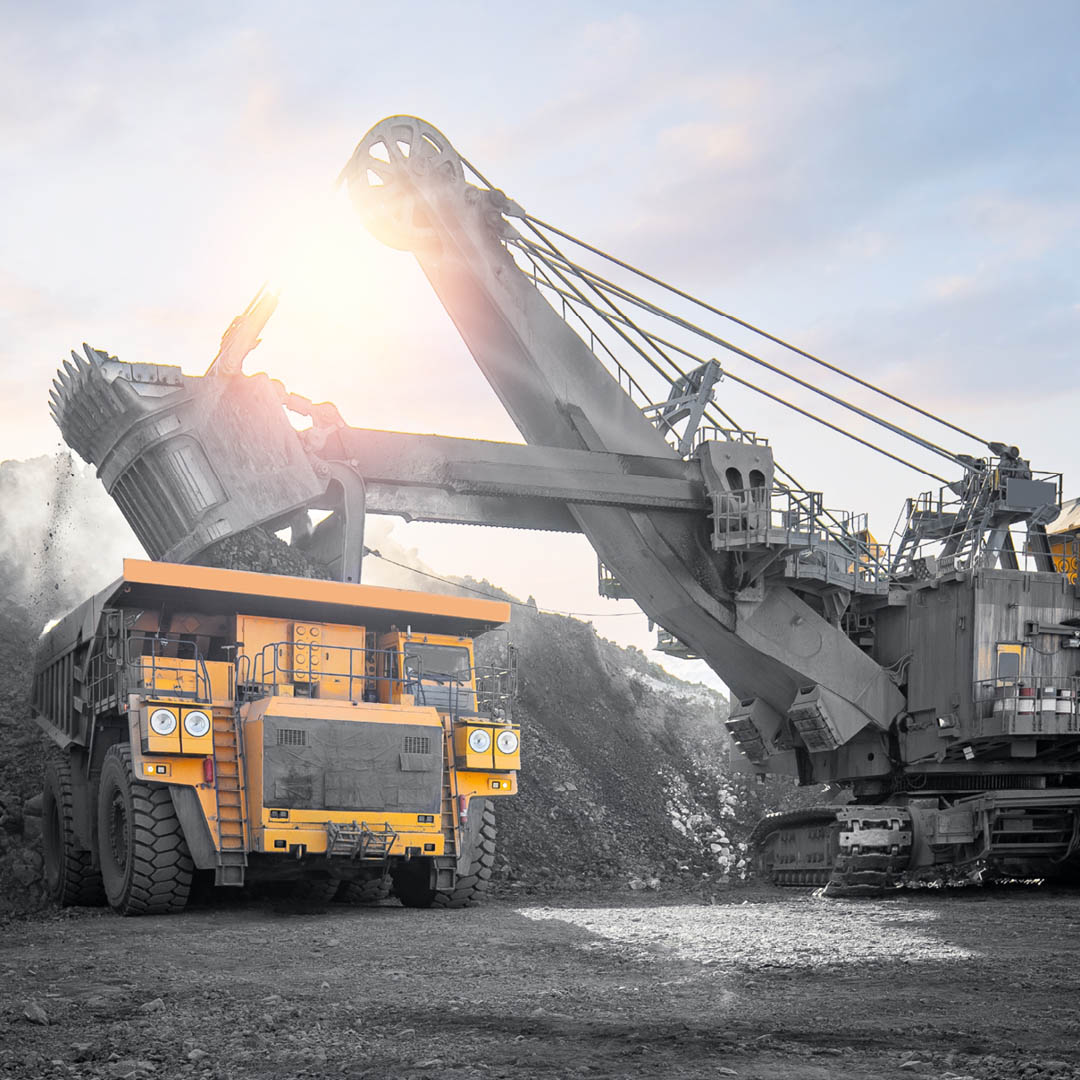
Mining operations operate in one of the most demanding industrial environments in the world. Heavy equipment runs continuously, production targets are tight and safety and compliance standards continue to evolve. In this high-pressure landscape, real-time engine monitoring is becoming an essential tool for modern mines seeking to improve performance, reduce risk and control operational costs.
From Reactive Maintenance to Predictive Operations
Traditionally, mining equipment maintenance relied heavily on scheduled servicing and reactive repairs. While routine maintenance remains important, it does not always prevent unexpected failures. When critical equipment stops unexpectedly, the consequences ripple across the entire operation, affecting productivity, logistics and workforce safety.
Real-time engine monitoring changes this approach by providing continuous insight into engine health and performance. Sensors track key parameters such as temperature, oil pressure, load and speed, allowing operators to identify early warning signs before small issues escalate into major failures. This shift enables predictive maintenance strategies that reduce unplanned downtime and improve equipment reliability.
Supporting Compliance and Safety
Mining safety regulations continue to evolve, placing greater emphasis on risk mitigation and operational transparency. Real-time monitoring supports compliance by ensuring equipment operates within safe parameters and by providing reliable data records that demonstrate adherence to operational standards.
When abnormal conditions are detected, automated alerts enable rapid response. This reduces the likelihood of incidents caused by overheating, lubrication failures or mechanical stress. In high-risk environments where machinery operates around the clock, the ability to respond quickly can significantly improve safety outcomes for both operators and maintenance teams.
Improving Uptime and Productivity
Uptime is one of the most critical metrics in mining. Every hour of unexpected downtime can result in lost production and increased operational costs. Real-time monitoring allows teams to make informed decisions about maintenance scheduling, ensuring that servicing takes place at the most efficient time rather than during costly emergency stoppages.
With continuous visibility into engine performance, operations teams can also optimise equipment usage. Identifying inefficient operating patterns or unnecessary idling helps maximise productivity while reducing wear and tear on machinery.
Driving Cost Efficiency and Sustainability
Beyond reliability and safety, real-time monitoring contributes to better cost control. Engines operating outside optimal parameters often consume more fuel and generate higher emissions. Monitoring systems help ensure engines operate efficiently, improving fuel consumption and supporting environmental responsibility.
Lower fuel usage, reduced repair costs and extended equipment lifespan combine to deliver long-term financial benefits. As mining companies increasingly prioritise sustainability, the ability to monitor and optimise engine performance plays an important role in achieving environmental and operational goals.
The Role of Intelligent Monitoring and Control
Engine Control Systems (ECS) supports mining operations with advanced monitoring and control solutions designed to provide accurate, real-time insight into engine performance. By integrating intelligent displays, sensors and automation technologies, ECS enables seamless data collection and analysis across mining fleets and stationary equipment.
These systems not only provide visibility but also help transform data into actionable insights. With the right information at their fingertips, operators and maintenance teams can make faster, more informed decisions that support safer and more efficient operations.
A Smarter Future for Mining Operations
As mining continues to embrace digital transformation, real-time engine monitoring is becoming a cornerstone of modern operations. The ability to monitor equipment continuously, respond quickly to risks and optimise performance delivers measurable benefits across safety, compliance, productivity and cost control.
In an industry where reliability is non-negotiable, real-time monitoring is no longer a luxury. It is a strategic investment that helps mining operations operate smarter, safer and more efficiently in an increasingly competitive landscape.

